Siamese Cat Names: 36 Calls by Point Color, Thai Roots, and Sound
Written by iCatNames Editorial Team · Reviewed
The strongest Siamese naming routes come from documented breed history, visible point color, blue-eye imagery, household sound, or a verified personal connection. They do not come from treating every pointed cat as a pedigreed Siamese or every Siamese as the same loud, clever character.
These 36 linked candidates are grouped by evidence and daily use. Each section separates official breed terminology from informal inspiration, then adds a pronunciation, nickname, record, or multi-pet check.
First decide whether “Siamese” means breed or pattern
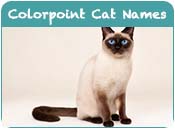
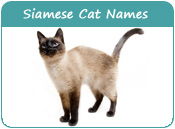
The CFA describes the Siamese as a pedigreed shorthair with a long refined body, wedge-shaped head, blue almond-shaped eyes, and darker points. Its accepted colors are seal, chocolate, blue, and lilac. CFA also warns that people often use “Siamese” for a pointed pattern or gene found in other breeds and non-pedigreed cats.
If registration records identify the breed, a Siamese-history route is accurate. If ancestry is unknown, describe what you can see: a pointed domestic shorthair, colorpoint appearance, blue eyes, pale body, or dark extremities. The name can still draw from those observations without turning appearance into pedigree.
Thai history and language routes
- Siam — The historical country name connects directly to the breed's older English label and documented history. It is concise and recognizable, though the household should understand the modern country is Thailand and avoid treating Siam as a generic “Asian” sound.
- Thai — This direct geographic and cultural word needs the strongest respect check. Reserve it for a genuine country, language, family, or breed-history connection. One syllable is clear, but the word also appears in food and travel conversation.
- Mali — This personal form appears in more than one language and is associated with jasmine in Thai usage. Confirm the intended language and pronunciation rather than borrowing a meaning from an uncited list. The compact rhythm simplifies side-by-side testing.
- Chai — The sound can connect to several languages and meanings, while English speakers may think first of tea. State the intended route. The one-syllable call may resemble shy, hi, or another pet name in quick speech.
- Dara — This personal name occurs across cultures, so an origin claim must be specific. It offers two open beats and a stable spelling in English. Choose it through family or language evidence rather than attaching a blended universal meaning.
- Arun — A South and Southeast Asian personal form can support a Thai-connected route when pronunciation is checked. Some English speakers stress or shape the vowels differently. Ask a knowledgeable speaker before using an etymology in the explanation.
The CFA breed history cites Thai cat poems from the Ayutthaya period and records early movement into Britain and the United States. That documented history is richer than palace legends. Keep folklore labeled as folklore and do not claim royal ownership without a reliable source.
Point-color calls: official terms and household alternatives
- Seal — Seal point is one of CFA's four accepted Siamese colors. As a call, the word is also an animal and a verb, so ordinary conversation may use it. Registration papers, not a photo alone, establish the formal color.
- Cocoa — This warm brown food-and-color word can visually echo chocolate points without pretending to be the official label. Confirm Cocoa rather than Coco on every record. The extra vowel changes spelling more than speech.
- Mocha — Coffee and chocolate imagery can suit warm dark extremities as an informal household route. The word is common in cafés and kitchens. Its two beats separate well from many calls, but cultural and food usage should be intentional.
- Blue — Blue point is an accepted term even though the visible impression is a cool dilute gray. Use the call freely as a color word while keeping formal classification tied to records. One syllable needs testing beside food and room.
- Lilac — Lilac point is another accepted Siamese color term. The three-syllable plant and color word offers strong distinction, while Lil or Lila may emerge as nicknames. Score those variants against other household calls.
- Frost — This is not an official Siamese color label, but it can describe a cool pale impression in ordinary language. Its one strong beat works well for some rooms. Avoid using the visual nickname to overrule registered color information.
Point contrast can deepen as a cat matures because temperature-sensitive pigmentation affects the pattern. The naming reason should allow change. A household color image can remain meaningful even if the adult shade is darker than the kitten photograph.
Blue-eye imagery without a personality claim
- Azure — This blue color word creates a direct eye route and a distinctive two-beat call. Pronunciation varies among speakers, making a caregiver round essential. Eye color should be observed in normal light and never used to infer vision or health.
- Sky — A one-syllable blue image is easy to print and explain. It can collide with hi, fly, or another long-i call. The word remains suitable if eye shade changes in photographs because the household association can be broader than exact color.
- Sapphire — The gemstone offers a saturated blue association and three audible syllables. Saffy is a likely shortening with a different opening and ending. Decide whether the full or short form belongs on the tag.
- Iris — The name can reference the eye structure, a flower, or a Greek mythological figure. Choose the real route. Two clear beats make it practical, but a medical context may use iris as an anatomical word.
- River — Reflected blue, a travel memory, or flowing sound can support this name without making a literal eye-color claim. It has a separate ending from most popular pet calls, while Riv may become an unplanned nickname.
- Cobalt — A strong blue pigment and material reference creates a less common call. Two beats and hard consonants aid distinction. Read enough about the word to avoid using it as a vague synonym for every blue shade.
All Siamese show standards require blue eyes, but an individual's appearance still deserves neutral description. A naming guide should never interpret squinting, discharge, cloudiness, or color change. Those observations belong with a veterinarian.
Voice and music routes for a documented breed tendency
The CFA profile describes Siamese as vocal, affectionate, active, and sometimes insistent. That population-level description can inspire a sound theme. It cannot promise that an individual kitten will be talkative or that silence is abnormal.
- Echo — A sound returning can create a clean vocal reference. The two open beats are easy to say, but the word may appear during audio, hiking, or device conversations. It also works for a quiet cat through family preference rather than irony.
- Melody — Three syllables and an ordinary spelling make this musical call distinctive. Mel may take over in daily use, so compare both. The name describes a household theme, not the pitch or pleasantness of a cat's voice.
- Song — This single beat is direct and works across a written music route. It can resemble long or wrong in some accents and may be common in bilingual households as a surname or word. Local testing decides.
- Jazz — A music genre and compact consonant frame give this name energy without predicting activity. It is easy to print, though the word may occur often for musicians. A personal record or performance memory can deepen the reason.
- Piper — An instrument-player and familiar personal name offer two routes. Its two beats carry well, while Pipe may emerge as an awkward shortening. Verify that the full form remains stable among children and caregivers.
- Calliope — The mythological Muse and musical-instrument associations make this a source-rich option. Pronunciation is not obvious to every English reader. Put a phonetic note on sitter and clinic cards if the family chooses it.
Test each call during real vocal moments without shouting over the cat. Observe whether people hear and reproduce the form consistently; do not compete with meows or label a communication style as good or bad.
Vintage Siamese associations and culture-linked calls
- Koko — This repeated form appears in well-known cat literature and as a personal name in several contexts. Identify the intended source. Koko and Coco are nearly identical in speech, making them unsuitable housemates despite different spelling.
- Yum Yum — The doubled phrase has a vintage fictional-Siamese association for some readers and a food expression for others. It is highly distinctive on paper but frequent at meals. Decide whether the space and capitalization remain stable in databases.
- Tao — This short philosophical term carries substantial cultural meaning, so an unexplained “Asian” label is inadequate. Read an accurate source and agree on pronunciation. Its brevity makes room testing important.
- Ming — A Chinese surname, historical dynasty name, and personal element can create several associations, none specifically Thai. Keep the cultural route explicit and avoid presenting it as a traditional Siamese name merely because it appears on old lists.
- Pyewacket — This literary and screen-linked cat name has a long, distinctive shape and a historical word association. It will likely shorten to Pye or Pyewacket's first syllable. The family should know the source and accept repeated spelling.
- Miso — The Japanese food reference is not Thai or breed-specific. It can still work as a household culinary name when labeled accurately. Its similarity to Milo and Mochi creates a serious multi-pet collision test.
This section deliberately separates “associated with Siamese-cat media” from “Thai in origin.” Older pet-name lists often blend Asian languages, fictional cats, food, and vague imagery. High-quality naming keeps each source lane labeled.
Modern calls chosen for contrast rather than stereotype
- Nori — This Japanese food word offers two crisp beats and should remain in a culinary or family route, not a Thai-history lane. It may resemble Rory or Mori in quick speech. Confirm respectful use and pronunciation.
- Lotus — The plant has significance across several cultures and a strong visual form. State the household's actual connection rather than assigning one universal meaning. Its two beats and different ending help multi-pet separation.
- Nova — An astronomical word can follow bright eyes or a family interest in space without claiming a color. The open ending is clear for many speakers, though it can approach no in a fast correction.
- Cleo — A concise personal and historical reference offers easy spelling. It is not breed-specific, which is an advantage when the household wants an individual name rather than a Siamese label. Compare it with Leo and Theo.
- Theo — This human form works either as the entire name or as Theodore's home version. Choose the record relationship and compare it with ordinary household speech rather than relying on unsupported acoustic rules.
- Luna — A familiar moon reference is highly readable and widely used. That popularity raises local duplication. Keep it when the family has a specific night, astronomy, language, or personal reason independent of the breed.
A modern call does not need a point-color or Thai link. Breed inspiration can open the process without controlling the outcome. The individual cat's daily environment has the final practical authority.
A Siamese-specific sound and evidence matrix
Give each finalist six columns: route label, evidence, first sound, ending and rhythm, likely nickname, and record spelling. Route labels might be registered point color, visible color only, Thai history, verified personal-language connection, music, literature, or family memory. Do not merge them into “Siamese meaning.”
For sound, compare complete forms with resident pets and common cues. A set containing Koko, Coco, and Cocoa is visually varied but acoustically poor. A set containing Cleo, Theo, and Leo has the same problem. Remove collisions before discussing which story is more appealing.
Use Siamese Cat Names for a broader database collection, the female Siamese collection for a narrower linked pool, and the female Siamese decision guide when that scope fits. Keep sex categories optional rather than prescriptive.
A three-day call trial
- Day 1, neutral rooms: Say each finalist near rest, feeding, and play areas. Record pronunciation and caregiver mix-ups. Do not grade the cat's compliance.
- Day 2, multi-pet contrast: Say all resident names in different orders and test planned nicknames. Eliminate any pair people repeatedly reverse.
- Day 3, care and public use: Put the name into a carrier label, veterinary phone call, medication note, sitter card, and lost-pet sentence. Ask a new reader to spell and pronounce it.
Compare finalists in Sound & Contrast Check and record the real trial in Name Trial. These tools assess spelling and household separation. They do not claim that a pointed pattern or vocal reputation makes one phoneme biologically superior.
The Siamese-name decision
Keep the call when breed and pattern language is accurate, cultural sources remain labeled, visual observations are modest, sound contrast survives nicknames, and records preserve one spelling. Reject it when it depends on a palace legend, blended “Asian” imagery, or a fixed personality forecast.
A Siamese name can honor Thailand, point color, blue eyes, music, literature, or a private family story. Its quality comes from the honesty of that route and the clarity of daily use.
Sources and Further Reading
- Cat Fanciers' Association: Siamese breed profile, history and standard
- Cat Fanciers' Association: pointed pattern versus Siamese breed
Sources support factual context; suggested names and editorial grouping are produced by iCatNames.