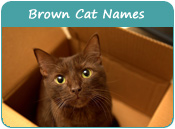
Brown and White Cat Names: Mocha, Patches and Two-Tone Coat Clues
By the iCatNames Editorial Team · Published
Brown and white coats do not form one visual pattern. A cat may have a brown tabby back and white feet, a chocolate mask, scattered freckles, or a broad white chest that leaves only a few warm patches.
Choose the visible relationship first: blended, spotted, edged, symmetrical or strongly divided. Then test whether the name remains easy to say when the coat clue is no longer being explained.
Read creamy coffee colors before choosing a café call
Coffee language gives several useful shade distinctions, but the drink should resemble the coat rather than serve as a fashionable label pasted onto any brown cat.
- Mocha — dark brown softened by milk suits a coat with chocolate areas interrupted by broad white patches, and the two open syllables are easy to repeat calmly.
- Latte — a pale coffee-and-milk balance fits beige tabby sections beside a large cream bib, with a bright ending that stays audible across a room.
- Cocoa — the warm powder color points to even brown fields, while repeated open vowels sound gentler than a clipped pattern word.
- Cappuccino — foam, coffee and dusted color support a cat with several tones; the long form needs an agreed daily shortening before records are completed.
- Espresso — the darker reference works when brown markings approach black but still look warm in daylight, and its three beats resist accidental shortening better than expected.
- Chai — a short spicy-tea call fits cinnamon brown beside milk-white fur, though a household already using Sky should compare both words from another room.
Use daylight to separate chocolate from near-black
Take one photograph beside a window and another under the home lighting used most often. Warm brown may look black in a dim hallway, while pale beige can disappear into cream. Match the name to the repeatable view, not a single bright image. Say the six options while preparing an ordinary meal. If Cappuccino immediately becomes Cappy, decide whether that new form still represents the coat. If Chai merges with another short call, shade accuracy cannot rescue the practical problem.
Use bakery surfaces for toasted edges and pale centers
Baked-food names are strongest when crust, crumb, drizzle or folded layers mirror a specific distribution of brown and white.
- Biscuit — a golden edge around a pale middle suggests biscuit crust and crumb, while the two firm syllables suit speakers who prefer a grounded call.
- Cookie — scattered brown pieces on white fur create the clearest cookie logic; common household use may be a drawback if the word appears frequently in conversation.
- Toast — one compact syllable matches a broad toasted saddle or warm face mask and leaves little room for unplanned nickname drift.
- Brownie — deep brown blocks against a white chest create the dessert contrast, though the color word makes this less precise on a very pale tabby.
- Waffles — crossed tabby lines and cream gaps can resemble a grid, giving the plural two-beat call a pattern basis beyond food alone.
- Cannoli — a brown shell and pale filling echo a dark back with a white center line; four flowing syllables reward a family that enjoys longer calls.
Sketch the cat as three simple shapes: head, body and tail. Mark where the warm color begins and where white interrupts it. Biscuit and Toast describe edges, Cookie and Waffles describe repeated marks, Brownie emphasizes depth, and Cannoli emphasizes an outer-inner split. Remove any card that requires the cat to resemble a staged photograph. The comparison should survive normal posture, including loafing, stretching and turning away.
Compare glossy sweets with matte fur and sharp borders
Confectionery terms can express shine, swirl and layered color, provided the explanation does not pretend that coat texture changes with the label.
- Truffle — a rounded dark patch on a pale face supports the chocolate image, and the consonant cluster gives the name more texture than a simple color word.
- Fudge — dense brown sections with clean white breaks fit the compact dessert reference; the single syllable may overlap with short correction words in some homes.
- Caramel — amber-brown tabby bands beside cream fur make the layered color clear, while three syllables allow Cara only if that shortening is chosen deliberately.
- Toffee — a lighter golden-brown field and bright white paws suit the crisp sweet, with a cheerful final vowel that should be compared with Coffee or Sophie.
- Sundae — several toppings of color across a white base create the strongest visual case, and the familiar weekend word gives the call an easy rhythm.
- Twix — two parallel brown bands or matching face patches motivate the paired-bar reference, producing a brisk one-syllable option for a highly symmetrical coat.
Choose shine words without inventing coat facts
Run a hand over the coat only to observe what is actually visible and tactile. Gloss may change with light, grooming and season, so do not make it the sole reason for a permanent name. Truffle and Fudge emphasize depth, Caramel and Toffee emphasize warmth, Sundae emphasizes several components, and Twix emphasizes a pair. Write one sentence for each finalist that a stranger could verify from a photograph. Weak explanations usually reveal themselves at this stage.
Move to nuts and spices when the brown reads earthy
Woodland pantry words offer quieter color references than desserts and often suit mottled tabby areas beside soft white fur.
- Chestnut — reddish dark brown beside a white throat recalls the polished shell, and the two-part compound remains formal enough for records.
- Hazel — a mixed brown tone with green or gold eyes can support the color association, but eye color should be an added clue rather than a requirement.
- Nutmeg — fine warm flecks across a pale ground resemble grated spice and give the two-beat name a concrete reason on speckled coats.
- Cinnamon — rusty tabby bands and white toes fit the warm spice color, though an existing cinnamon-color cat page makes exact coat description especially important.
- Pecan — a smooth medium brown patch and cream underside create a restrained food link, with stress on the second syllable for many American speakers.
- Peanut — small tan islands on a mostly white kitten suggest the shell color, while the familiar two-beat word can remain comfortable as the cat grows.
Place the names on a warm-to-cool line. Cinnamon and Chestnut sit toward red, Nutmeg and Pecan occupy a middle brown, Hazel can cover a mixed tone, and Peanut leans tan. This prevents six pantry words from becoming interchangeable. If two colors are equally accurate, compare sound: a cat living with Hazel may not need Pecan, while a home with Pepper could find Peanut too close at the opening.
Let patch edges decide between stone, fabric and paint terms
Shape words become useful when the border between brown and white is more memorable than the precise shade of brown.
- Marble — soft veining where tabby brown flows through white suggests stone, creating a calm two-syllable call for blended rather than spotted markings.
- Patches — separate blocks of brown and white make the plural literal, though the common pet word needs a sound check against household names such as Patrick.
- Speckles — many tiny brown dots on a pale nose or legs support the plural detail and distinguish the choice from larger patch-based labels.
- Freckles — small face spots give the human-feature comparison a clear location, with a friendly rhythm that does not require the marks to cover the body.
- Smudge — one blurred brown mark near the mouth, forehead or shoulder creates a focused explanation and a compact call with a firm ending.
- Mosaic — multiple irregular pieces across the coat create an art-material route, and three syllables suit a cat whose pattern changes from every angle.
Measure one representative border
Choose the largest identifying mark and trace its edge in the air without touching the cat. Marble suits flow, Patches suits blocks, Speckles and Freckles suit small repeated dots, Smudge suits one soft-edged area, and Mosaic suits many irregular pieces. Avoid describing ordinary tabby striping as a rare pattern. The goal is an accurate visual shorthand that remains kind and easy to explain.
Name white placement before naming the brown field
Sometimes the white areas carry the clearest story: feet, chest, muzzle or one isolated spot can provide a sharper clue than the background color.
- Socks — white lower legs against brown upper limbs make the clothing comparison immediate, especially when all four feet share a similar boundary.
- Mittens — shorter white front-paw markings create a snug handwear image and a two-syllable call that feels distinct from a full-leg pattern.
- Boots — taller white leg coverage supports the stronger footwear word, with one beat that stays clear during quick household routines.
- Tux — a white shirt front beneath dark brown can suggest formalwear, but the word should be reserved for a strong chest contrast rather than any bicolor coat.
- Patch — one dominant white or brown island motivates the singular form, avoiding the exaggeration built into a plural name when there is only one clear mark.
- Spot — a single round mark on the nose, chin or back gives the shortest descriptive option, although homes using Stop should test the consonants carefully.
Count white zones rather than estimating a percentage. A cat may have four Socks, two Mittens, one shirt-front Tux, or a single Patch. Boots depends on height, not personality. Spot depends on isolation, not the total amount of white. These distinctions keep the article separate from a broad bicolor list and help an adopter choose from what is actually present. Recheck the pattern after the kitten coat settles, but do not delay a good call merely because the exact boundary may soften.
Use graphic objects for symmetry, grids and scattered pieces
Object comparisons work when the coat has a strong layout, giving shape and balance more importance than food or shade.
- Domino — two contrasting fields or a row of round spots echo the game tile, while three clear syllables remain usable without shortening.
- Checkers — alternating brown and white blocks support a board pattern, though the comparison is strongest on a coat with repeated rather than random areas.
- Puzzle — interlocking irregular borders suggest pieces meeting, giving a two-syllable call for a pattern that looks assembled rather than striped.
- Pebbles — small rounded brown shapes on a white ground create a river-stone image and a soft plural rhythm for a gentle naming register.
- Dottie — repeated circular marks motivate the familiar human-style call, with the ending allowing warmth without forcing Dot as a nickname.
- Dot — one tiny, sharply bounded mark makes the single beat accurate and memorable, particularly when longer household names need contrast.
Check visual logic from both sides
Photograph the left and right profiles. Domino and Checkers need repeated structure; Puzzle accepts irregularity; Pebbles favors rounded pieces; Dottie accepts several dots; Dot requires one defining point. A name that works only from the camera-facing side may still succeed, but the family should know that the clue is localized. Pronounce the finalists beside routine words such as dinner, down and door so graphic accuracy does not conceal a sound collision.
Finish with animal and woodland comparisons that survive growth
A final group can translate brown-and-white color into familiar animals or trees, provided the comparison stays visual rather than assigning wild behavior.
- Teddy — soft brown areas around a pale muzzle recall a plush bear face, while the familiar two-beat name remains suitable after kittenhood.
- Bear — a broad brown back and white chest can support the compact animal word without claiming size, strength or a particular temperament.
- Bambi — tan-brown fur with pale spots or underside creates a fawn-like screen association, and two bright syllables make the reference easy to call.
- Fawn — the color term fits pale warm brown beside white and offers a restrained one-syllable alternative to a specific character reference.
- Moose — deep brown with a pale muzzle gives a humorous scale contrast, while the long vowel keeps the short word audible in quiet speech.
- Maple — warm wood and leaf tones suit a reddish brown patch, producing a nature name that remains meaningful even when the coat changes seasonally.
Separate appearance from expectation. Bear does not require a large cat; Moose can be funny on a small one; Bambi and Fawn describe color without promising timidity. Teddy emphasizes a plush visual, and Maple emphasizes warm plant color. Test each on an adult-sized mental picture. If a label works only because the kitten is tiny, move it behind a pattern name that will remain accurate.
Build a four-card shortlist from independent coat clues
Choose one shade name, one placement name, one shape name and one non-food comparison. A balanced set might contain Mocha, Socks, Mosaic and Maple. Write the exact visible evidence beneath each card. Cross out any explanation that could describe nearly every brown-and-white cat.
Next score the cards for spoken clarity, nickname stability and household separation. Call them during a calm doorway check rather than at feeding time, when any sound may attract attention. Ask another person to repeat each name after hearing it once. Misheard vowels and automatic nicknames matter more than a clever written connection.
Keep the last two cards beside one daylight photograph and one ordinary weekly routine. If Patches remains accurate but continually merges with Patrick, while Nutmeg stays clear and still matches the flecked coat, Nutmeg has stronger evidence. The selected call should describe this cat rather than the entire bicolor category.