Brown Cat Names: 36 Calls by Pigment, Pantry, Earth, and Daily Use
Written by iCatNames Editorial Team · Reviewed
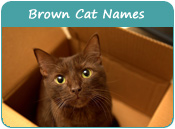
Brown on a cat can appear as a solid coat, tabby field, point color, warm cast, mixed patch, dark underlayer, or informal impression created by light. A name can follow what the family sees. It should not assign a genotype, registered color, breed, or health conclusion from a photograph.
The 36 linked calls below separate pigment words, coffee, sweets, earth, wildlife, and personal forms. Begin with an unedited coat record, then decide whether the reason is technical, descriptive, culinary, geographic, or private.
Build a neutral-light coat map
Photograph the face, shoulders, sides, belly, legs, and tail beside a neutral gray or white reference in indirect daylight. Record roots, middle bands, and tips when safely visible. Add separate rows for solid areas, tabby markings, points, white, red, and dilution.
Repeat in another room and keep camera processing off. Warm bulbs can make black look brown; shadow can make cinnamon look dark. A visual name may remain valid, but the evidence card should state the conditions.
Pigment and material words with technical limits
- Cocoa — a warm brown image and familiar call; it does not establish chocolate genotype or make cocoa safe for cats.
- Chocolate — a registered color term in some contexts and ordinary food word; use formal status only with appropriate evidence.
- Chestnut — a reddish-brown botanical and material association; photograph the undertone rather than claiming exact color.
- Sienna — an earth-pigment and place-derived color word with two or three beats; agree on household pronunciation.
- Bronze — a metal-alloy image suited to warm reflected color; shine and value remain metaphors.
- Copper — notices orange-brown warmth in coat or eyes; it should not be treated as registered color or mineral content.
UC Davis describes brown variants as reducing black pigment and notes that other genes affect overall appearance. A naming map cannot establish the B-locus result. Use “looks cocoa in daylight” rather than “is genetically chocolate” without testing or records.
Coffee calls kept distinct from the dedicated cafe theme
- Mocha — combines coffee and chocolate associations in a familiar pet call; local popularity raises collision risk.
- Espresso — a dark coffee reference with three beats and Press or Essie shortcuts; test which version caregivers retain.
- Latte — emphasizes milk-lightened coffee color and two clear syllables; accent and vowel choices should be recorded.
- Kona — can reference a Hawaiian coffee-growing region or personal place memory; avoid presenting every use as coffee expertise.
- Java — may invoke coffee, the Indonesian island, or a programming language; select the source lane explicitly.
- Chai — means tea in several languages and can reference a spiced drink in English usage; cultural and food meanings deserve accurate wording.
This section supplies brown-coat options, while the separate Coffee article owns cafe-menu depth. Keep the brown article focused on visible fit and daily choice rather than repeating roast, brewing, or cafe history.
Sweet pantry images with a feeding boundary
- Caramel — a warm amber-brown confection image with Cara as a shortcut; color fit does not make caramel feline food.
- Toffee — a cooked-sugar association and easy two-beat call; test it beside Coffee in a shared roster.
- Fudge — compact and deliberately food-led for deep brown color; chocolate products remain unsafe naming props.
- Brownie — the most literal brown dessert reference; the name carries no permission to share the food.
- Biscuit — spans tan through brown baked-color imagery; a household can attach it to one warm region rather than a uniformly dark coat.
- Maple — may follow syrup color, tree association, or a place memory; write the actual origin instead of merging them.
Food names are language only. Use no chocolate, alcohol, caffeine, sugary coating, or sticky food in photographs. Families with children should include that rule on the naming card.
Earth, wood, spice, and weathered surfaces
- Mahogany — a wood and color term for deep red-brown coats; the long form may shorten to Maggie without warning.
- Clay — a material and personal name that spans many earth tones; identify the observed shade or family connection.
- Dune — evokes sand formations and fiction in one beat; record landscape or story as the primary source.
- Pebble — notices mottled stone color or small scale; another observer should see the relevant feature before scoring it highly.
- Nutmeg — a warm spice-color image with Meg available; spice ingestion and coat description remain separate.
- Rusty — a conventional personal call and oxidized-metal color reference; it does not describe coat damage or health.
Natural materials provide a wider palette than one food word. Put the reference object in a separate photograph, not beside the cat when it creates ingestion or handling risk.
Animal comparisons without species or behavior transfer
- Bear — can follow dark brown color, broad outline, or family affection; it predicts neither danger nor cuddliness.
- Beaver — a brown wildlife association with two beats; the comparison carries no aquatic or chewing behavior.
- Fawn — can mean a young deer or pale tan color; state which sense supplies the name.
- Fox — a compact wildlife reference often linked to red-brown color; cleverness is a stereotype, not evidence.
- Squirrel — may suit a mottled brown coat or private story; movement and food-caching traits do not transfer.
- Moose — a large-animal reference that may be ironic on a small cat; size and coat reasons should be recorded separately.
Never stage wildlife contact to strengthen a name. A safe, ordinary coat photograph and one accurate sentence are enough. The domestic cat keeps its own care needs and behavior.
Personal calls that survive uncertain color classification
- Bruno — a familiar personal form with historical brown-word associations in several languages; avoid asserting one universal etymology.
- Hazel — a botanical, eye-color, and personal name; choose the visible or family connection rather than claiming all at once.
- Amber — a warm translucent material and conventional call; attach it to observed color, not genetic classification.
- Penny — a personal name and copper-coin image with simple spelling; national coin associations can vary.
- Rowan — a tree and personal form independent of exact coat shade; it offers color flexibility through adulthood.
- Sandy — a familiar call and broad pale-brown descriptor; document whether color or a person supplies the reason.
These controls reduce pressure to diagnose color. If the coat looks different after maturation or in another season, a personal call retains its foundation.
Separate brown from neighboring editorial tasks
Brown and White owns two-color placement. Cinnamon focuses on a specific lighter brown variant. Coffee follows a cafe menu. Havana Brown is a breed page. The broad Brown article should compare visible warm and dark fields without absorbing those complete journeys.
When a finalist depends on white spotting, breed identity, or a documented cinnamon classification, link that record to the narrower guide. Do not duplicate its technical explanation here.
Account for pattern, points, and coat change
A tabby may have brown fields plus darker stripes; a pointed cat may develop darker extremities; a kitten may deepen with age. Map these structures rather than sampling one isolated hair and calling the entire coat brown.
Date every image and mark seasonal or grooming differences. A name chosen from kitten color can remain historically accurate when the adult record preserves that origin.
Score visual evidence and language maintenance
Promote the best-supported option in every color route. Rate independent visual recognition, source confidence, spelling, pronunciation, nickname stability, roster separation, and age durability. Flag technical-color claims for documentation.
Compare Cocoa against Mocha, Caramel against Mahogany, Bear against Bruno. Remove every point that depends on a filter, unverified genotype, or breed guess, then review the order.
Use an observer who has not seen the shortlist
Show two unedited photographs taken in different light and ask for color words. Record whether brown, chocolate, tan, red, black, gray, or mixed appears without prompting. Disagreement is evidence of a lighting-sensitive association.
Next, speak each finalist once and request spelling. Note Chai, Kona, Sienna, and Mahogany errors. The chosen call must work for people who never see the reference palette.
Trial daily speech without treating response as color proof
Try each of the two leaders in short, pleasant interactions on separate ordinary days. Log caregiver slips, abbreviations, and confusion with foods, commands, people, or other animals. End the exercise when the cat disengages.
Research about feline discrimination of spoken names offers no ranking of food, earth, or pigment terms. A response cannot confirm coat classification or preference. Human consistency is the useful measurement.
Distinguish surface color from registered terminology
Registries define colors within particular breeds and pattern classes. A family may accurately say a coat looks brown in daylight while a registration document uses seal, chocolate, cinnamon, sable, ruddy, or another term. Preserve both fields when appropriate.
Do not “correct” official paperwork from a casual photograph. Conversely, do not forbid ordinary brown language in a family story. Technical classification and visual communication serve different readers.
Audit screens, printing, and color accessibility
Compare the reference photographs on two uncalibrated screens and one plain print. Ask observers to use words rather than select from a supplied brown palette. Device disagreement reveals which names depend on narrow color reproduction.
Caregivers with color-vision differences may rely more on pattern, location, texture, or personal association. A strong record describes the exact marked region instead of requiring everyone to perceive the same hue.
Handle mixed, pointed, and sun-warmed coats honestly
A black coat can show brownish sun effects; a pointed mask can be brown while the body is pale; a tortoiseshell or tabby can contain several warm fields. Mark where the candidate applies rather than naming the whole coat from one patch.
Use “selected for the warm shoulder patch” or “selected for the seal-brown mask.” This level of specificity survives disagreement and avoids quietly converting a mixed-pattern cat into a solid-brown one.
Prepare a food-name safety note for all caregivers
Cocoa, Chocolate, Espresso, Latte, Chai, Caramel, Toffee, Fudge, and Brownie can invite themed gifts or jokes. Put a direct instruction on the family card: the words are names, not serving suggestions.
Ask visitors not to stage beverages, confectionery, syrups, spices, or wrappers near the cat. Use a printed color swatch or separate object photograph if the origin needs illustration.
Keep recovery description more precise than color alone
Many cats appear brown under some light. A recovery notice needs facial markings, paws, chest, tail, pattern, sex, microchip status, and current photographs. The call and a broad color label are insufficient identifiers.
Write one sentence a stranger can verify at distance and another for close detail. Keep the naming metaphor after those fields. Style should support recognition rather than replace it.
Build a repeatable color check without claiming calibration
Choose one north-facing or shaded location, one neutral background, and one time window that the household can reproduce. Save an uncropped original plus a close coat image, and note the device and date. Repeat after a month or a seasonal coat change. This is a consistency protocol for the naming story, not laboratory color measurement.
Compare the photographs side by side before comparing them with coffee, wood, or pigment samples. If the cat shifts from cocoa to black across ordinary conditions, score Cocoa as a private metaphor rather than an objective identifier. A lower evidence score does not make the affectionate call invalid.
Check cultural and regional meaning before publishing the story
Kona, Java, Chai, Sienna, Mahogany, and Bruno carry place, language, material, or personal-name histories beyond a generic brown palette. Identify the specific connection the household knows and avoid presenting a product association as the word’s only meaning. When unsure, use a modest sentence such as “chosen for the sound and warm-color association.”
Keep private family memories private by default. A public profile needs only the daily call and a short accurate origin; it does not need a relative’s full name, travel address, purchase history, or genetic speculation. Depth comes from traceable reasoning, not unnecessary disclosure.
Review the call beside changing eyes, skin, and markings
Hazel, Amber, Copper, and Penny may be selected from eyes or a small marked region rather than the main coat. State the location and date so later readers do not assume a solid-brown body. Seek veterinary advice for a new physical change instead of turning it into additional name evidence.
When a patch fades in photographs or becomes less visible after grooming, preserve the original image and move current identifiers to the recovery field. The name can keep a historical anchor while the practical description stays current.
Finish with a dated coat-and-call record
Store official spelling, daily form, nickname, evidence lane, literal coat observation, confidence level, photograph date, light conditions, pronunciation, roster findings, and the next coat review. Keep veterinary identification and microchip registration current.
Recheck after maturation or a major coat change. Durability means the brown-themed call still carries its dated pigment, pantry, earth, wildlife, or personal origin without asking photographs or metaphors to prove more than they can.
Sources and Further Reading
- UC Davis Veterinary Genetics Laboratory: brown, chocolate, and cinnamon in cats
- UC Davis Veterinary Genetics Laboratory: feline coat color overview
- Cat Fanciers Association: coat and color descriptions
- Scientific Reports: domestic cats discriminate their names from other words
Sources support factual context; suggested names and editorial grouping are produced by iCatNames.