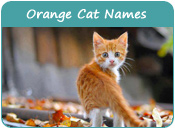
Orange Cat Names: 36 Ideas by Shade, Pattern, Season, and Sound
Written by iCatNames Editorial Team · Reviewed
An orange coat can look pale apricot, saturated red, warm gold, buff, cream, or patterned with tabby markings and white. The naming task improves when those observations are recorded under neutral light instead of collapsed into a single cartoon color.
These 36 linked candidates use fruit, materials, heat, season, food, and human-style calls. Every lane has a tradeoff. The name should preserve its reason after the kitten grows, the coat darkens or fades in photographs, and the joke reaches a clinic record. That evidence should remain readable when lighting, season, and daily context shift.
Keep genetics, sex, and behavior in separate columns
In 2025, separate Current Biology research teams identified regulatory changes involving the X-linked ARHGAP36 locus in orange coloration. That work helps explain the long-observed sex-linked inheritance pattern. It does not establish a universal orange-cat personality, intelligence level, sociability, or appetite.
Record sex from veterinary or reliable adoption information, not from color alone. Describe behavior as an individual observation with date and context. A coat-inspired name may still suit, but the article will not turn internet stereotypes into biological claims.
Fruit tones from pale to saturated
- Apricot — The fruit offers a soft orange-pink reference that can match a pale coat in daylight. Apri or Cotty may emerge as nicknames. The color comparison is visual, not proof that the registered coat term is apricot.
- Clementine — Citrus, a personal name, a song, or family memory can motivate this four-beat call. Clem and Clemmie change the sound substantially. Decide whether the full form survives daily speech before rewarding its distinct length.
- Kumquat — The small citrus fruit creates strong written identity and a playful rhythm. It may need spelling support, and the food word can appear in kitchens. Kum or Quat are unlikely to satisfy every caregiver.
- Mandarin — Citrus, language, regional, and historical meanings make this word context-sensitive. Use a fruit route only when that is truly intended. Mandy may replace the longer form and lose the orange reference.
- Marmalade — The preserve has a long association with orange cats and warm translucent color. Marmie or Marmi may become the call. Its familiarity can be comforting or too expected, so check nearby pets.
- Tangerine — A vivid citrus reference provides three audible beats and a clear color lane. Tangie is likely in daily use. The family should test whether the full word feels natural in care and emergency sentences.
Fruit names work across shade changes because the range is broad. Keep the exact reason modest: “the kitten’s coat reminded us of apricot in window light” is stronger than a claim that a photograph proves a formal color.
Metals, gems, spices, and warm liquids
- Amber — Fossil resin and the warm color term offer a stable two-beat call. It also functions as a common human name. Search the family and care network for duplicates before using coat imagery as the only criterion.
- Copper — The metal supplies a reddish-brown visual route and a crisp opening. Copper is also a color word, surname, and occupational reference. Cop or Coppy may appear, and the former can be awkward in public speech.
- Goldie — The color and personal nickname are immediately legible. Its long-e ending crowds many pet calls, and golden does not describe every orange coat. A family or vintage-name route can preserve the choice when shade is not exact.
- Saffron — Spice, flower, color, travel, or cooking memories can support this longer call. Saffy creates a softer home form. Use the word accurately and avoid reducing a culturally important ingredient to vague exoticism.
- Topaz — The gemstone occurs in several colors, so “topaz means orange” is too narrow. A specific warm specimen, birthstone, or jewelry memory can supply evidence. The two strong beats separate well in many households.
- Whiskey — The amber liquid and family interest may explain this adult-themed call. Brand references, alcohol sensitivity, and the long-e ending deserve discussion. Keep it out of a child’s joke if the household dislikes the association.
Material words should identify an object, color impression, or memory. They do not transmit the object’s alleged energy or the drinker’s personality to a cat.
Heat imagery without an energy stereotype
- Blaze — A bright flame or marked trail creates a concise image. The one syllable can resemble plays in some accents. It does not predict speed, boldness, or destructive behavior.
- Ember — A glowing coal suggests deeper, quieter orange than open flame. The two-beat personal-name shape is easy to record. Emmy may emerge and remove the heat reference while adding local duplication.
- Flame — This direct noun provides strong color imagery but appears in cooking, heating, and safety speech. It may resemble name in connected sentences. Use it only when the household accepts the everyday frequency.
- Phoenix — Mythological renewal and a city or personal reference may be intended. A cat does not need a rescue narrative to carry it. Fee, Nix, and Phoenix have different spoken profiles and should be planned.
- Spark — A tiny ignition point creates a compact visual or adoption-moment name. The word occurs in tool, fire, and personality talk. Avoid turning a current burst of kitten play into a permanent energy promise.
- Torch — A carried light, flashlight, cultural symbol, or family object can support this emphatic short call. Some caregivers may hear a harsh edge. Test it in quiet affectionate speech as well as at distance.
Heat vocabulary is metaphor. If the cat becomes calm, shy, or physically slow, the naming reason remains color or story rather than a failed personality prediction.
Seasonal color and daylight observations
- Autumn — Leaves, harvest, an adoption date, or a personal name provide several documented routes. Autumn includes many colors beyond orange. The two-beat call may be clearer than a narrow shade label.
- Maple — A specific tree, leaf, syrup, country memory, or street can make this name personal. The color route changes by season and species. Mape is unlikely, but May may appear as a spontaneous nickname.
- Marigold — The flower offers gold and orange varieties plus a long, distinct rhythm. Mari and Goldie lead to different collision patterns. Identify the actual flower or family association rather than claiming one universal symbolism.
- Pumpkin — Orange color, harvest, food, or an affectionate nickname makes this familiar. It is common among pets and frequent in autumn kitchens. Punkin and Pump create record drift that should be settled early.
- Rusty — Oxidized metal, color, or a traditional personal nickname creates a muted red-brown lane. The form may suit a pale cat through family history rather than exact shade. Its long-e ending needs local comparison.
- Sunny — Sunlight, weather, place, or a remembered family event can justify the call. It must not declare a cheerful temperament. Sonny is a common alternate spelling and personal name, making record consistency central.
Create a four-photo coat note: indirect daylight, warm indoor light, cool indoor light, and one older image. Name the observed differences. Choose a story that survives all four rather than matching a single filtered photo.
Savory, snack, and spice names
- Cheddar — The cheese and color word can suit a deep golden coat or cooking household. Chedd and Cheddy may develop. Not all cheddar is orange, so the story should identify the familiar version rather than make a food-science claim.
- Cheeto — The branded snack reference is immediately recognizable in some markets. Consider trademark association, regional familiarity, and how the joke reads within clinical paperwork. Cheeto can also resemble Chito as a personal nickname.
- Curry — This broad food category covers many cuisines, preparations, and colors; it is not synonymous with orange. Use the name through a specific family dish or personal connection and avoid flattening diverse traditions into one spice.
- Dorito — A brand-linked snack call carries obvious humor and record visibility. The family should accept the commercial reference and possible nickname Dori. Color varies by flavor, so the coat link is informal.
- Ginger — Plant, spice, flavor, color, and personal-name lanes make this a durable orange-cat standard. Familiarity raises local duplication. The word also describes color imprecisely across regions, which is acceptable when labeled as household language.
- Paprika — The spice provides a range from bright red to deeper tones and a distinctive three-beat call. Papi and Rika are plausible nicknames. Choose the culinary route accurately and check how often the word appears at home.
Run a kitchen transcript for three meals. Note every accidental use and every family joke. A food name should remain comfortable after novelty fades and should never become an excuse for unsafe feeding.
Human-style controls independent of coat color
- Archie — A familiar personal name offers stable spelling and a warm social tone. Family history or a cultural figure may supply the reason, so clear any awkward association. Its long-e ending may crowd several pet names.
- Felix — The concise form has extensive feline use and a conventional written shape. It proves that an orange cat does not need a color word. Local duplication and the family’s cultural reference are the main checks.
- Leo — The lion association may loosely echo warm color or mane imagery, but the name also stands independently. It crowds Theo and Cleo. One syllable on paper becomes two vowel beats in speech.
- Oliver — A common personal and pet name can give the coat article a neutral control. Ollie is likely to become the call. Test both forms and confirm which one belongs on veterinary and microchip records.
- Oscar — Stable spelling and a familiar rhythm reduce explanation. Oz or Ozzie may arise, shifting the sound and associations. The name should survive without an orange justification.
- Rufus — A historical personal name can carry red-haired associations in some etymological contexts, but family evidence is safer than a simplified meaning claim. Two distinct syllables provide useful contrast in many homes.
Controls expose color lock-in. If the household repeatedly prefers a human-style name, keep it. Coat is one source of evidence, not an obligation.
Separate orange from neighboring coat descriptions
Orange, red, ginger, marmalade, and yellow are overlapping household terms, not always formal registry labels. Cream is dilute red; cinnamon and fawn involve different coat-color pathways; tortoiseshell and calico combine orange areas with other colors and patterns. Use registered information when available and neutral visible description otherwise.
Open the broad database pool at Orange Cat Names, use Female Orange Cat Names or Male Orange Cat Names only when that browsing lane is useful, and visit Orange and White Cat Names when white placement is central. These collections organize names; they do not determine sex, genotype, or personality.
Run the stereotype and nickname filters
- Delete behavior claims: Remove “chaotic,” “friendly,” “hungry,” or “not smart” from every naming reason unless it is a dated individual observation, and even then avoid permanence.
- List home forms: Write every likely shortening and compare it with people, pets, cues, foods, and brands.
- Test public use: Speak the finalist while booking veterinary care, then place it on a medication note, carrier label, and missing-cat description.
- Check coat resilience: Ask whether the story still works if adult shade, markings, or photography changes.
Use Sound & Contrast Check for the spoken set and Name Trial to log three days of human use. Neither tool converts coat color into a behavioral prediction.
Keep color as evidence, not destiny
The final name should describe a real shade, object, season, food, story, or family preference; remain separate from household calls; carry one agreed nickname; and stay consistent on records. Remove any finalist whose appeal depends on a meme about orange-cat behavior.
An orange coat can begin the naming conversation. The individual cat, the household language, and long-term care determine whether the call deserves to remain.
Sources and Further Reading
- Kaelin et al. (2025): molecular and genetic characterization of sex-linked orange
- Toh et al. (2025): X-linked ARHGAP36 deletion associated with orange coloration
Sources support factual context; suggested names and editorial grouping are produced by iCatNames.