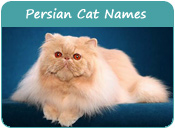
Persian Cat Names: 36 Calls by Coat, Heritage, and Daily Use
Written by iCatNames Editorial Team · Reviewed
A useful Persian cat name should come from something more specific than “fancy” or “fluffy.” The breed offers several honest routes: a long coat, round overall impression, broad range of color divisions, documented breed history, and the individual cat's own markings and household story.
The 36 linked candidates below are not a ranking and do not diagnose pedigree from appearance. Each group explains what evidence can support the name, what can go wrong, and how to test it during grooming, care, records, and ordinary calls.
What the breed standard can and cannot tell you
The Cat Fanciers' Association describes the Persian as a longhaired breed with a stocky body, round head, short nose, broad face, and many colors and patterns. Its standard emphasizes balance, roundness, a long thick coat, and open nostrils that permit unrestricted breathing. Those are documented breed references, not instructions to name every Persian after royalty or softness.
A pedigreed Persian has registration records. A longhaired rescue that resembles a Persian may be described as Persian-like or a domestic longhair when ancestry is unknown. The naming process can still use visible coat and household evidence without making a breed claim the paperwork cannot support.
Readable personal forms for an everyday call
- Cleo — This compact call can point toward Cleopatra while remaining easy to print and say. Decide whether the historical association is intended or whether Cleo is complete. Some readers will assume a nickname, so state the official form before records are made.
- Daphne — A Greek personal and mythological name offers two clear beats in many accents. Its plant association provides another route. Verify the pronunciation across caregivers and avoid attaching a fixed graceful personality to the cat.
- Esme — This short personal name has more than one accepted accent and spelling convention. Let an uninvolved reader pronounce it, then have another person transcribe the spoken call. Keep the form when its literary, linguistic, or family connection matters to the household.
- Jasper — A mineral and familiar human name can fit many coat colors without declaring temperament. Its two beats remain clear in grooming and clinic sentences. Check family and nearby pets because the form is widely used.
- Theo — A household may use Theo as the complete call or as Theodore's daily shortening. That choice matters on microchip and insurance forms. Test it beside no, Leo, and every resident call; a different first consonant may not provide enough distance in rapid speech.
- Felix — A long cat-name history and Latin-rooted association make this recognizable. It can feel classic without implying a breed trait. The firm opening and two syllables are useful, but local duplication may be high.
Personal names reduce breed stereotyping because their reason can live in the family rather than appearance. They also require a social check. A relative or caregiver who shares the name may reasonably object; settle that concern before permanent feline records adopt the form.
Color-led names using visible, ordinary language
- Pearl — A pale or reflective coat can support this material reference. It does not certify a white, shaded, silver, or shell color class. The single syllable may soften across rooms, so compare it with curl, girl, and the family's repeated cues.
- Snow — A white or very pale visual impression makes the reason immediate. Snowy is the obvious alternate and changes the rhythm. Decide whether the official and daily forms are the same and avoid assuming a kitten's coat contrast will never change.
- Ivory — This color word can follow a warm pale coat, but the material also carries wildlife-trade and ethical associations. A household should understand that baggage. Three syllables make it distinctive, while Ivy is a likely unplanned shortening.
- Blue — In cat terminology, blue commonly refers to a dilute gray appearance. Use the word only as ordinary visual inspiration unless reliable records establish a registered color. The one-syllable call needs a test beside food, room, and other rounded-vowel words.
- Smokey — A shaded gray, smoke-like transition, or family campfire memory may support this familiar form. Confirm the spelling because Smoky is also standard. Do not label a formal smoke pattern from a casual phone image.
- Amber — Warm golden, copper, or eye-color cues can inspire the call. Eye appearance changes with lighting, and kitten eye color can develop, so wait for a stable reason when that detail matters. The two-beat personal form works independently of color.
Photograph the cat in indirect daylight from both sides, above, and front. Note base color, patches, facial blaze, paws, tail, and eye appearance without converting observations into genetic claims. If registration papers provide a formal color, keep that separate from the household nickname route.
Coat-texture names with a grooming reality check
- Mochi — The Japanese food word may evoke a rounded shape or soft visual texture. Use the reference accurately and test pronunciation. The name must remain affectionate during mat removal and grooming, not turn softness into a reason to neglect coat care.
- Puff — A full coat can make this single beat visually direct. It may overlap with huff, brush sounds, or a family nickname. The word describes appearance without promising weightlessness or any particular personality.
- Teddy — A family keepsake or dense plush coat gives this readable call an honest anchor. Ted may take over as the cat matures. Put both variants into the sound test and decide which one belongs on the grooming chart and clinic account.
- Velvet — A material comparison can follow visual softness without inviting constant touching. Two distinct syllables make it readable. The family must respect handling preferences during combing; the call offers no evidence that grooming will be easy.
- Fluffy — The direct adjective is familiar and visually obvious, yet it may describe several pets at once. In a multi-longhair home, it loses identifying power. Test whether a more individual coat mark or personal route would do better.
- Cloud — A pale, full coat can support this image, and the word remains compact on records. It can also describe weather in ordinary conversation. Across-room testing should compare the call with loud, down, and any resident name using the same vowel.
The CFA profile notes that Persians require substantial regular grooming. Rehearse each finalist in the sentences actually used there: combing, eye-area cleaning, nail care, bathing plans, and professional appointments. A label that sounds warm during play but childish or unclear during care has not passed.
Persian and Iranian heritage routes with source discipline
The breed name points toward a presumed country of origin, while the CFA history explains that the exact path into western Europe is not completely known. Heritage naming should therefore distinguish documented breed history from legend. Personal-name origins and pronunciations also deserve independent checking.
- Pari — This Persian personal and poetic form is often connected with a fairy-like being. Verify the meaning in the cultural source you trust and ask a speaker about pronunciation. Its two clear beats remain light without making a claim about the cat.
- Shirin — A Persian personal name and a famous literary-historical association give this option depth. Confirm which story or family connection matters. Avoid reducing it to a decorative “exotic” label detached from language and context.
- Laleh — This Persian form is associated with the tulip and works well for a botanical route. English speakers may stress it differently, so record the household pronunciation. A flower reference can fit any sex if used intentionally.
- Yasmin — The jasmine association and Persian usage provide a plant and language connection. Multiple spellings exist across languages. Choose the spelling that matches the intended tradition rather than mixing variants for novelty.
- Roxana — This form is associated with an ancient Iranian name transmitted through Greek sources. Read the history before choosing it and decide whether Roxy is an acceptable daily shortening. The complete form and nickname have very different sound profiles.
- Cyrus — The name carries a strong ancient Persian royal association. Use it as a documented historical reference rather than evidence of feline nobility or dominance. Its two beats and firm opening contrast well with many softer household calls.
Ask three questions: Can the family pronounce it consistently? Can the source be summarized accurately in one sentence? Would the choice feel respectful when explained to someone connected to the language or culture? If any answer is uncertain, research further or choose a different route.
Art, fashion, and material references for a composed theme
- Gatsby — The literary surname can evoke a specific novel, period, or visual style. Read enough of the source to accept its themes rather than borrowing only glamour. Its strong opening works well in ordinary calls.
- Chanel — The fashion-house and personal-name associations are clear, but the brand is a trademark and not an endorsement. Keep it only after the household accepts that reference. Check whether speakers stress the second syllable consistently.
- Dior — This compact fashion surname creates a polished sound without describing the cat's worth. The brand connection will dominate public interpretation. Make sure that lasting association is wanted before using it on records.
- Monet — The artist reference may fit a family connection to painting or a coat that recalls blended color. It should not be a generic substitute for “artistic.” English and French pronunciation differ, making caregiver agreement essential.
- Rembrandt — A substantial art-history call offers strong distinction but invites shortening. Remy may become the functional name and should be tested from the start. The reference works when the household values the painter, not merely the length.
- Opal — A gemstone with changing color play can suit varied coats without claiming monetary value. Two compact syllables are easy to print. Compare it with local human names and words such as open in quick speech.
Luxury vocabulary is not inherently more Persian-specific than a personal name. It is a stylistic lane. Keep the article's breed facts separate from the household's aesthetic choice and avoid implying that appearance determines social rank.
Quiet-sounding calls without a temperament guarantee
- Whisper — Soft consonants create the intended mood, but they may not travel through a busy home. The word can work as contrast on a vocal cat or directly for a quiet household. Neither route predicts future behavior.
- Willow — A flowing tree form can follow coat movement, garden memory, or sound preference. Will and Willa are likely variants. Test them during grooming so unplanned shortening does not collide with another caregiver or pet.
- Sage — A plant, color, culinary, or wisdom association offers several routes. Select the actual one and avoid claiming the cat is wise. The single syllable can resemble stay in some accents.
- Dove — The bird and peace symbolism can create a restrained call. Its one beat is clear on paper but may soften across a room. A gray or white coat is an optional visual link, not a requirement.
- Mellow — The sound suggests calm, yet it should not become a permanent behavior label. Keep it for rhythm or household humor after observing the cat, and make sure caregivers do not dismiss stress because of the name.
- Biscuit — A cream or golden coat, baking memory, or family endearment can support this warm form. It remains easy to say during care, though kitchen frequency and existing human nicknames must be checked.
The CFA profile describes breed tendencies, but an individual Persian can be active, reserved, social, or vocal in ways a short description cannot forecast. Use breed context to inspire a route, then let the actual cat and household decide.
A Persian-specific shortlist matrix
Create six columns: documented route, visible evidence, pronunciation, grooming-room use, nickname and record form, and collision risk. A documented route may be breed history, verified language connection, coat observation, personal memory, or artistic reference. “Sounds fancy” is too vague to earn a pass.
For grooming-room use, say the candidate in instructions such as “bring the comb for ___,” “___ has a mat behind the leg,” and “the appointment is for ___.” For public records, place it beside the household surname and a coat description. A brand or artist name may require explanation; a common personal name may require a second identifier.
Use Persian Cat Names for the broad database-backed collection, Male Persian Cat Names when that browsing lane helps, White Persian Cat Names for a documented pale coat, and Farsi Cat Names for a language-led route. Transfer at most six finalists into My Shortlist and keep breed, color, sex, and language labels separate.
Test the name in three Persian care contexts
- Coat care: Use the call before calm grooming and in written instructions for a groomer. Score human clarity and the cat's comfort separately.
- Eye and breathing observations: Put the name on a neutral care note without making a diagnosis. Health concerns belong to a veterinarian, not a naming article.
- Quiet and noisy rooms: Test at normal household volume near fans, dryers, water, and other pets. A visually elegant word still needs audible contrast.
Use Sound & Contrast Check to compare likely nicknames and Compare Names for two finalists. The tools organize spelling and sound evidence; they do not score breed suitability as a biological fact.
The Persian-name decision
Keep a name when the breed or household connection is accurate, visible claims stay modest, cultural references are checked, grooming and clinic use remain comfortable, and nickname and records agree. Reject it when the whole case rests on a stereotype such as “royal,” “lazy,” or “fragile.”
A high-quality Persian name does not need to announce luxury. It needs one honest route, one clear daily call, and enough structure to remain useful throughout a longhaired cat's real care.
Sources and Further Reading
Sources support factual context; suggested names and editorial grouping are produced by iCatNames.