Texas Cat Names: Cities, Rivers, Music and 36 Lone Star Calls
By the iCatNames Editorial Team · Published
Texas naming material reaches well beyond cowboy words. Cities, rivers, dry-country plants, wildlife, music, and a household’s own travel or family history can each produce a distinct cat-name collection.
The groups below keep those routes separate. That prevents a state-specific shortlist from dissolving into generic Southern or Western labels and makes every surviving choice easier to explain.
Texas cities with practical everyday rhythms
City names work best when they connect to residence, adoption, study, work, or a memorable trip. They vary enough in sound to build a balanced shortlist, from clipped two-syllable calls to a longer border-city form. A personal place link is more durable than choosing only for perceived local style.
Use a real geographic connection when possible
- Austin — The state-capital reference has two clear syllables, while ordinary personal-name use keeps it accessible when listeners miss the Texas link.
- Dallas — A firm opening and soft final s create a familiar city call, useful for a cat adopted there or for a household with lasting local ties.
- Houston — The large-city reference feels grounded and recognizable, with two steady syllables that separate well from very short pet names.
- Laredo — Three open syllables give the border-city name a musical cadence, suited to families who enjoy a longer call without an automatic nickname.
- Amarillo — The Panhandle city provides four flowing syllables and a strong place identity; caregivers should agree on pronunciation before completing records.
- Odessa — This West Texas city name also functions as an established given name, offering a subtle geographic reference and a smooth three-syllable sound.
Place names deserve specificity. Write one sentence explaining the connection, such as where the cat entered the family or where the owner grew up. If no genuine link exists, keep the option only when its sound wins independently. This avoids reducing a complex city to a decorative label.
Check geographic duplicates in the family network. A city name may already belong to a child, another pet, a business, or a frequently discussed destination. Repetition can still work, although it may make care conversations ambiguous.
Rivers and water routes across a varied state
Texas rivers provide concise names that feel natural without becoming generic landscape terms. They can recall a hometown, a crossing, fishing memories, or simply moving water. Keep safety and ownership separate from the image: an indoor cat does not need outdoor river access to carry the reference.
- Brazos — The major Texas river name opens firmly and ends distinctively, fitting a household with central or coastal-plain memories.
- Trinity — A three-syllable river and established name, this choice suits families connected to North or East Texas and remains readable beyond geography.
- Guadalupe — The river reference has a long, recognizable cadence. Because several shortened forms are possible, choose the complete and daily versions together.
- Pecos — Two compact syllables give this West Texas river name a dry-country register while avoiding a cowboy caricature for the cat.
- Frio — The river name means cold in Spanish and provides a brief bright call, potentially fitting pale or cool-grey coats through a second association.
- Nueces — This South Texas river name creates a distinctive sound, but households should verify and practice the pronunciation they intend to use.
Spanish-derived place names should be handled with care rather than improvised phonetic stories. Listen to local or reliable pronunciation sources if the household is unfamiliar, then select a version with respect for regional usage. Avoid inventing translations beyond well-established words.
River names can sound similar once shortened. Compare full forms at normal speaking speed and write down any nickname that emerges. A long geographic name is only practical when its daily form remains distinct from current pets and common commands.
Plants and landscape words with Texas specificity
Native and widely associated landscape vocabulary can reflect color, texture, resilience, or family time outdoors. No plant needs statewide distribution to justify the call. Choose a word tied to a place the owner actually knows or to a visible feature on the cat.
Let one observed feature lead
- Bluebonnet — The state-flower reference supplies a vivid Texas cue and a long compound call, often strongest for a blue-grey or white-marked cat.
- Pecan — The state tree and familiar nut word give a warm brown palette and a compact sound, useful for coats with amber or tawny undertones.
- Mesquite — A characteristic tree and brush-country word opens firmly, fitting a rugged coat texture or a family landscape memory.
- Yucca — The desert plant name has two open syllables and a sharp initial sound, so it travels more cleanly than longer botanical terms.
- Sage — This plant and color word creates a calm one-beat option for grey-green eyes, muted fur, or an owner who favors understated nature labels.
- Cedar — A familiar tree call with an even two-beat rhythm can recall Hill Country landscape or add a wood-toned association to brown fur.
Botanical names can drift into unsupported symbolism. Keep explanations concrete: observed color, texture, a garden, a trail, or a hometown landscape. There is no need to claim that a plant gives the cat courage, wisdom, or another human trait.
Long compounds deserve a written-space check on tags and forms. If the complete name is unwieldy, choose a planned short form rather than letting several nicknames compete. The shorter call should preserve enough of the original association to remain satisfying.
Wildlife and state-symbol names for visible character
Animal references create quick images through ears, markings, movement, or scale contrast. They should remain affectionate observations, not claims about prey drive or aggression. Several candidates also belong to wider Western naming, so a personal Texas connection helps keep the intent specific.
- Longhorn — The cattle and university-sports associations make this an unmistakable Texas word, with comic scale on a small or round-faced cat.
- Armadillo — The armored mammal supplies four rhythmic syllables and a curled-up visual link, especially apt for a cat who sleeps in a tight ball.
- Mockingbird — The state bird reference can suit a vocal mimic or watchful window cat, though the long compound needs a realistic daily-call plan.
- Mustang — A free-roaming horse image produces a forceful two-beat call for a fast runner while remaining metaphorical for a safely housed cat.
- Coyote — A three-syllable wildlife word works through sandy coat color, alert ears, or humorous contrast between a wild canid and a domestic feline.
- Jackrabbit — Long ears or rapid hops can motivate this desert-animal compound, provided its likely shortening does not collide with a person named Jack.
Wildlife labels sometimes encourage exaggerated temperament stories. A kitten with large ears is not inherently skittish, and a fast runner is not wild. Keep the analogy limited to the visible or playful detail that originally suggested it.
Also consider the ethics of roaming language. A name associated with open land does not change safe-care decisions. Indoor enrichment, secure enclosures where appropriate, identification, and veterinary advice remain separate from regional romance.
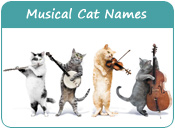
Texas music tributes with names that travel
Texas music spans many styles, and first names can honor that history without forcing the article into one genre. The six references below remain straightforward personal-name calls. Choose an artist whose work genuinely matters to the household and avoid attaching a public persona to the cat.
Record the artist behind the call
- Willie — Willie Nelson supplies a widely recognized Texas-country reference; the friendly two-beat call also feels familiar outside music circles.
- Buddy — Buddy Holly connects the name to Texas rock-and-roll history and offers a warm everyday word that suits a social cat without predicting behavior.
- Stevie — Stevie Ray Vaughan motivates this blues-rock tribute, with a bright ending that can distinguish it from shorter one-beat household names.
- Selena — The Texas Tejano icon provides a graceful three-syllable tribute that should be chosen through genuine admiration rather than trend borrowing.
- Waylon — Waylon Jennings gives this two-syllable call a country association and enough uncommon structure to stand apart in a multi-pet roster.
- Janis — Janis Joplin offers a direct Texas-born rock reference, with a crisp two-syllable given name that works independently of music knowledge.
Music tributes become more durable when the chooser can name a record, performance, or family memory behind them. Write that reason down. A documented personal connection is more stable than selecting an artist only because the name appears on a regional list.
First names may point to many people. That flexibility is useful, but it can also create household collisions. Check relatives, friends, and regular visitors. If precision matters, keep the artist’s full name in the private naming note while using only the practical call for the cat.
Ranch, trail and Lone Star shorthand
The final group uses compact regional vocabulary rather than a specific town or person. These words are the closest to broad Western material, so the strongest choices have a direct household reason, a coat connection, or a Texas phrase that family members already use naturally.
- Tex — The shortest state shorthand lands as one clean beat and announces the theme, though its commonness can produce duplicate pet names.
- Ranger — The title evokes Texas Rangers in more than one context and provides two firm syllables for an observant cat or outdoors-minded household.
- Maverick — A familiar Texas and Western word gives three strong syllables, but owners should avoid using independence as a fixed prediction about the cat.
- Rodeo — Three open beats produce a playful public call and a recognizable state-event association, fitting a cat with bursts of circular movement.
- Boots — White paws make the visual link immediate, while the ranch-wear reference adds Texas context without requiring a cowboy story.
- Lone Star — The state nickname becomes a two-word ceremonial option for a single facial spot, solo survivor, or family devoted to explicit Texas identity.
Regional shorthand can become cliché when every candidate repeats the same ranch image. Keep only one overt Western word in the final round and balance it with a place or natural reference. That preserves the breadth of Texas rather than presenting the state as one costume.
Multiword names should be rehearsed in full. If the second word disappears during ordinary speech, decide whether the remaining fragment still works. Records, tags, and clinic conversations need one stable form, even when affectionate titles are added at home.
Pin three reasons on a map before making the call permanent
Build a final trio from different evidence: one place tied to the household, one plant, river, or animal linked to appearance or memory, and one sound-led wildcard from music or regional vocabulary. Add the precise reason, normal pronunciation, and expected nickname under each. Remove any entry supported only by a broad stereotype.
Test the three names during calm routines and in care language. Say them beside current pet names, use them in a phone-style appointment sentence, and have a second caregiver transcribe each spelling from speech. Long geographic words can succeed, but only when the household preserves a common spoken form.
Favor the name that identifies both the cat and a genuine Texas connection without requiring a costume or invented trait. The state is large enough to support many associations; the shortlist becomes useful when it selects one clear place, memory, sound, or visual feature and carries that reason consistently into daily life.
Before the decision is entered on a tag, compare the choice with the broad parent themes already common in pet naming. Ask whether the reason could apply just as easily to any Southern or Western list. If so, restore the Texas anchor by naming the particular river, city, artist, plant, trip, or family story behind it. That last check protects the state-specific intent while giving future caregivers a simple explanation they can repeat accurately.