British Shorthair Cat Names: 36 Calls by Coat, History, and Daily Use
Written by iCatNames Editorial Team · Reviewed
A British Shorthair name can come from documented breed history, registered coat, a visible feature, a family link to Britain, or an unrelated call that simply works. Those routes should not be blended into a claim that every round, blue-gray cat is pedigreed or every pedigreed cat behaves alike.
The 36 linked candidates below move through personal history, landscape, coat, ordinary human names, pantry words, and titles. Each group includes a test for spelling, nickname, stereotype, or household collision so the breed reference remains useful in daily care.
Confirm the breed lane before using it
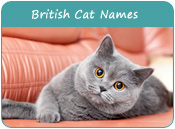
CFA’s standard describes the British Shorthair as compact, balanced, and powerful, with a round head, large round eyes, and a short, very dense coat. TICA likewise emphasizes a sturdy body and dense plush coat. Those are breed-standard descriptions, not a checklist that proves ancestry from a photograph.
Pedigree or reliable registration supports a breed-history claim. Without it, use “British Shorthair look,” “blue-gray domestic shorthair,” “round-faced,” or another neutral visible description as appropriate. The cat can still carry any name on this page; only the explanation changes.
British personal and historical routes
- Alfred — A long-used personal name can connect to family history, literature, or a documented historical figure. Alfie is the likely home form, producing a different rhythm. Choose the version that belongs on records.
- Alistair — The Scottish personal-name lane adds regional specificity while making no statement about feline character. Spelling variants and pronunciation deserve a caregiver check. Ali may be too close to another person or pet.
- Beatrice — Royal, literary, family, or ordinary personal usage can motivate this form. Bea, Bee, and Trixie create three different calls. Choose one actual route and one planned nickname before the long form receives credit.
- Charlotte — A place, royal, literary, or family connection may be intended. Charlie and Lottie pull the name in different directions. The household should state which association matters and avoid vague “British” labeling.
- Churchill — The surname carries a major historical association, making empty heritage decoration inadequate. A family choosing it ought to accept the political and wartime context. Church or Churly may emerge awkwardly.
- Victoria — Monarch, era, place, family, and personal-name routes are possible. Vicky, Tori, and Vita sound unrelated. Put the chosen version through the same test rather than assuming a formal name controls daily speech.
Britishness is not one culture, accent, class, or century. Name the actual person, place, family line, book, or event. Specific context prevents the section from becoming a pile of costume props.
Landscape and plant names with exact anchors
- Bramble — Hedgerow, garden, berry cane, or local walk can supply an observable route. It should not label the cat prickly. Bram shortens the form and may create a person-name association.
- Heather — Plant, moorland memory, color, or personal name can make this specific. Heather grows beyond Britain, so nationality should not be implied without a place or family link. The conventional spelling supports records.
- Primrose — Flower, color, place, or personal-name use gives this call several honest lanes. Prim and Rosie are competing nicknames. The family should decide whether the floral image or human style is central.
- Rowan — Tree and personal-name routes cross several cultures. A Scottish or British connection must be documented rather than assumed. The two stable beats are useful, but Rowan can resemble Owen in fast speech.
- Thistle — The plant and Scottish emblem create a clear regional possibility. Its consonant cluster challenges some speakers. Test children and caregivers before keeping it for written distinctiveness alone.
- Willow — A tree, waterway, garden, street, or family memory can support this accessible form. Will and Willa may appear. The soft opening needs comparison with resident calls in a noisy room.
Choose one landscape anchor: an actual county, garden, plant, trip, or adoption-day view. Generic countryside language contributes less than a single precise memory.
Blue and other cool coat impressions
TICA notes that the breed is well known for blue, commonly described as gray, while occurring in many colors. CFA evaluates coat color and markings within a much broader standard. Blue is a famous lane, not the definition of the breed.
- Blue — The registry color term and everyday color word create a direct route for a documented or visibly cool gray coat. One syllable can collide with food or room cues. It remains a household name, not a substitute for papers.
- Slate — The rock and muted blue-gray color offer a sharper visual comparison. Slate may resemble wait in connected speech. A place, roof, school, or material memory can strengthen the explanation.
- Sterling — Silver alloy, currency, place, or personal name may be heard. Specify the intended route and avoid claiming the coat is metallic. Sterl is unlikely to satisfy everyone, while Ling changes the identity.
- Silver — A material and color word can follow visible tipping or cool shine. Registered silver patterns are specific, so casual appearance should not overrule documentation. Sil and Silvy create possible home forms.
- Smoke — Smoke is also a formal pattern term in cat fancy contexts, not merely a gray synonym. Use it through records when making a technical claim or as clearly labeled household imagery. Smokey introduces a spelling fork.
- Storm — Weather, dark cloud, place, or family event can justify this compact forceful call. It does not predict mood or activity. The word may occur often in weather conversation and should be tested locally.
Take neutral-light photographs and write what is actually visible: solid-looking, tipped, patterned, warm, cool, pale, or dark. If registration provides the color, preserve its exact wording in the care file.
Familiar human-style controls
- Arthur — Family, literature, history, or ordinary personal preference can motivate this durable form. Artie is likely. A broad legendary association is optional and should not be forced onto the cat.
- Emma — This concise human form records cleanly and needs no breed story. Frequent use for both humans and pets makes a local collision check essential. The open vowels may carry differently by speaker.
- George — Royal, literary, family, or everyday personal use can explain the call. Georgie changes one beat into two and adds a common pet-name ending. Decide which belongs on the tag.
- Henry — Historical and personal routes are abundant, so one specific connection matters more than a list. The familiar spelling simplifies records. Harry is not an automatic nickname and should remain a separate candidate if considered.
- Mabel — A vintage human form can match the household taste without asserting breed temperament. It is easy to write and may be locally uncommon. Check relatives, neighbors, and clinic contacts.
- Winston — A surname, place, family name, or historical reference may be intended. If Churchill is the association, accept that context rather than presenting Winston as generic British decoration. Win and Winnie alter the sound.
Controls prevent the breed theme from controlling the result. If a simple family name beats every coat or heritage option in real use, that is a valid British Shorthair decision.
Pantry words and household frequency
- Biscuit — The British and North American food meanings differ, which can add a real family or regional story. The word is frequent in kitchens and pet treats. Bisky may develop as the functional call.
- Crumpet — A specific griddled bread gives the name a recognizable British food route. Some caregivers may feel it sounds theatrical. Crump is a heavy nickname, so test whether the full form stays comfortable.
- Marmalade — Preserve, orange color, literary associations, and traditional cat naming all offer routes. Marmie will likely shorten it. The food is not coat-specific, and a blue British Shorthair can carry it through contrast.
- Scone — The food and regional pronunciation debate make this one-beat name memorable but variable. Agree on the household vowel before records. It may resemble stone across a room.
- Toffee — A confection and warm color word create a soft two-beat call. Its final vowel may overlap other resident calls. Use a precise family food memory rather than assuming all British households share the association.
- Truffle — Fungus, chocolate confection, scent, or luxury imagery may be intended. Choose the actual object. Truff and Truffy change the tone, while kitchen use can trigger false calls.
Keep a three-meal tally of accidental uses. Food names are workable when the household understands their frequency and does not use them as a reason to offer unsafe human food.
Titles and heritage imagery
- Baroness — A formal title creates a long, unmistakable record form. Baron or Bess may appear as nicknames with different gender and social signals. Use it as wordplay, not a claim about pedigree or status.
- Duchess — The title has royal and fictional associations and a long cat-naming history. Dutch or Dushie may emerge. The family should accept the class imagery and check for a specific character assumption.
- Earl — This British title also functions as a personal name. One syllable may be difficult in some accents and can resemble girl or curl. A family or historical route is stronger than vague nobility.
- Lady — A title, ordinary word, and familiar pet name make this easy to understand but hard to distinguish locally. It must not impose a gender role or expected manners. Add a surname on clinic records.
- Percy — Personal, literary, place, and historical routes create a flexible call without requiring a title. Many pet calls share its final vowel. Choose the specific reference and check whether a family member already uses it.
- Rupert — A conventional personal name provides two firm syllables plus several cultural routes. Caregivers may naturally shorten it to Ru or Roo. Reserved behavior is never a condition for carrying it.
Round cheeks and a dense coat can inspire stately humor, but conformation is not social rank. Keep titles playful and separate from claims about behavior, value, or breeding quality.
Remove the teddy-bear stereotype
Breed profiles describe tendencies and standards at a population level. An individual may seek laps or avoid them, move quietly or sprint, accept handling or reject it. Name the observed individual without treating a registry description as a behavioral contract.
Observe three dated contexts: greeting a familiar person, resting near household activity, and choosing play. Use neutral verbs. “Sat beside the chair” is better evidence than “dignified.” The observation can inspire a name but should not become a permanent label.
Compare the browse page and decision page
The British Shorthair Cat Names collection supplies the broader database-backed pool. This tip narrows that pool by evidence, sound, nickname, and records. The breed page handles breed context. Keep those roles separate rather than copying one large list into every surface.
If long coat is documented, review the British Longhair context instead of treating coat length as a minor variation. If pedigree is unknown, a visible-feature or family-story route avoids an unsupported breed assertion.
Run a British Shorthair name trial
- Evidence card: Mark pedigree, registered color, visible observation, family history, or unrelated preference as separate routes.
- Nickname card: List every form caregivers will actually use and eliminate sound collisions.
- Care card: Put the name into grooming, weight, medication, carrier, clinic, and emergency sentences without making health claims.
- Household round: Test the call in quiet and noisy rooms, then ask a new listener to spell it.
Compare finalists with Compare Names, inspect likely overlap in Sound & Contrast Check, and log how caregivers use each call across three days in Name Trial. These tools do not certify breed fit.
Let one accurate route carry the name
Keep the finalist when its British, coat, plant, food, title, personal, or family route is precise; the nickname remains stable; all caregivers accept the associations; and care records identify the individual. Remove it when a photograph is doing the work of pedigree or a stereotype is doing the work of observation.
Neither aristocratic styling nor blue imagery is required. A British Shorthair needs a truthful connection and a daily form sturdy enough for the cat’s real household.
Sources and Further Reading
- Cat Fanciers' Association: British Shorthair profile and breed standard
- The International Cat Association: British Shorthair history, colors, standard, and temperament context
Sources support factual context; suggested names and editorial grouping are produced by iCatNames.