Tabby Cat Names: 36 Calls by Pattern, Color, and Daily Clarity
Written by iCatNames Editorial Team · Reviewed
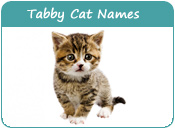
Tabby describes markings, not a single breed, color, or temperament. One cat may show narrow mackerel stripes, another broad classic swirls, another spots, and another mostly ticked hairs with facial and leg marks. A naming choice becomes clearer when those visible elements are written down separately.
This set of 36 linked calls moves from literal pattern words to colors, wild-feline references, and ordinary personal forms. Map the coat, state whether each candidate is descriptive or thematic, and measure daily clarity before letting a tiger comparison decide everything.
Create a pattern card without diagnosing genetics
Photograph the left side, right side, face, legs, belly if comfortably visible, and tail. Note line width, swirls, spots, bands, forehead markings, and background color. A registry description may distinguish mackerel, classic, spotted, and ticked patterns; casual observation does not certify breed or genotype.
Keep behavior off the card. Stripes do not make a cat fierce, adventurous, wild, confident, or predatory. Those adjectives may describe a fictional reference but cannot be transferred to the individual animal by coat.
Direct marking calls for lines, curves, and broken shapes
- Stripe — singular and concise, useful when one bold line dominates; test it beside stop and outside before routine use.
- Stripes — plural and broader, suited to repeated bands; the final sound must remain audible when called through a doorway.
- Ripple — an indirect curve image for flowing flank lines, with two clear beats; label it as imagery instead of technical coat terminology.
- Marble — notices broad swirls or stone-like variation, especially on a classic-looking pattern; Marby may become the practical nickname.
- Spot — one beat for a broken-stripe or spotted impression; verify that one visible feature supports the otherwise generic word.
- Dapple — suggests distributed light and dark variation rather than one exact pattern; label it as visual metaphor, not a genotype.
Trace the feature with a finger on the photograph rather than on the cat. A marking-led choice should remain explainable without repeated handling or forcing a pose.
Playful pattern references with different evidence levels
- Tiger — an obvious stripe comparison that carries wild-animal traits people may overapply; retain only the visual link.
- Tigress — gendered and dramatic, with a stronger personality implication; confirm both record fit and long-term comfort.
- Tigger — a specific fictional character rather than a generic tiger, so separate franchise affection from the cat’s behavior.
- Mackerel — directly echoes a recognized narrow-striped tabby term, but it may also be heard as the fish or food.
- Freckles — fits scattered small marks around face or body; it stays descriptive only when those features are actually visible.
- Socks — shifts from tabby lines to contrasting feet and may suit tabby-and-white cats; specify which paws anchor the call.
These names range from registry vocabulary to fiction and body nicknames. Place a label beside each one so Mackerel is not treated like a character and Tigger is not treated like a coat classification.
Warm-color calls for brown, red, and cream tabbies
- Amber — a resin and color association for warm background fur or eyes; choose the exact feature rather than claiming both.
- Ginger — familiar for red or orange coats and socially easy to use; it does not establish sex, breed, or temperament.
- Cinnamon — a spice-color comparison with three syllables; Cinna may be the stable daily form and should be documented.
- Honey — a golden-food image that also sounds affectionate; sweetness is a relationship word, not behavioral evidence.
- Maple — may reference warm foliage, wood grain, or syrup, making provenance necessary; decide which association the family means.
- Toffee — a brown confection reference with two distinct beats; never let the food name stand in for diet guidance.
Compare ground color and marking color in indirect daylight. A brown tabby may have black markings over a warm background, while red, cream, and other registry terms follow their own definitions. Naming can be approximate; factual descriptions should stay modest.
Cool and pale palette options
- Ash — compact for a pale gray impression, particularly when markings are subdued; keep it distinct from a medical color change.
- Silver — points to a bright pale ground with darker markings, but a casual choice is not a registry confirmation.
- Smokey — notices blended gray contrast and has a friendly two-beat call; preserve this spelling rather than alternating with Smoky.
- Blue — a formal coat-color term in cat contexts and an ordinary color word elsewhere; record whether the choice is technical or personal.
- Slate — a cool stone image for darker lines, shorter and less shiny than Silver; compare its sound with wait.
- Pearl — an indirect pale-luster reference that may fit chin, chest, or background; it does not assert a specific tabby classification.
Color can shift as kitten coat develops and lighting changes. Store the date of the photograph and avoid promising that a visually anchored name will remain an exact color sample forever.
Wild-feline associations without species claims
- Leo — may reference a lion, zodiac sign, or personal name; select one source and leave courage or dominance out of the description.
- Simba — a specific fictional lion reference with broad recognition; use the character association without copying personality onto the cat.
- Bengal — can mean a region or registered cat breed and therefore carries identity risk; the call supplies no ancestry evidence.
- Lynx — a wild-species silhouette or tuft reference with one clear beat; a domestic tabby remains a domestic cat.
- Bobcat — highlights bars, spots, or a short-tail resemblance, but it should never imply hybrid status or wild care needs.
- Ocelot — longer and more unusual, suited to a documented wildlife interest; pronunciation must be agreed before public use.
For each wildlife call, write “visual association only” unless there is another documented personal story. Legal, ecological, and husbandry differences should not be blurred for a naming joke.
Personal names independent of visible markings
- Milo — short, familiar, and unrelated to markings, giving the cat a social identity that can outlast visual novelty.
- Oliver — three syllables with Ollie as a likely call; decide whether another family member or pet already occupies that sound.
- Lucy — easy to spell and hear, useful as a neutral comparator against elaborate pattern references.
- Bella — widely recognized but common enough to collide at clinics or multi-pet homes; add surname or descriptor only in records.
- Max — one beat with high public clarity; its frequency can create ambiguity, so test it in shared spaces.
- Cleo — compact and flexible, with historical and personal-name routes available; store the intended origin instead of assuming one.
Include two coat-independent calls in the semifinal. If they consistently win on sound and comfort, the household may value daily usability more than a visible pun.
Distinguish tabby pattern from breed
Many pedigreed and non-pedigreed cats can display tabby patterning. A forehead mark, flank swirl, or striped tail does not identify a breed. Keep adoption papers, registry documents, genetic results, and visual notes in separate evidence fields.
Bengal, Lynx, or Mackerel can be valid associations when labeled. Problems begin when an association is repeated as ancestry or when appearance is used to predict behavior, health, or care requirements.
Track markings across growth without forcing sameness
- Save a dated side photograph and face photograph at the start of the naming trial.
- Circle the feature behind each descriptive finalist on a duplicate image.
- Recheck after coat change, grooming, or seasonal light without treating variation as failure.
- Retain the original personal story even if the visual match becomes less exact.
A name can preserve the memory of a kitten-stage stripe. The record merely prevents a later family story from claiming markings that were never there.
Check sound, nicknames, and household collisions
Write the likely short forms first: Marble may become Marby, Cinnamon may become Cinna, Oliver may become Ollie, and Ocelot may become Ozzie. Test the actual call rather than the decorative full name.
Say finalists beside food cues, another cat’s name, children’s names, and urgent words. A study showing cats can discriminate familiar names in controlled contexts does not prove a universal acoustic formula; contrast testing mainly improves human consistency.
Compare three naming routes with one rubric
Choose one literal pattern call, one thematic feline reference, and one human form. Stripe may offer the clearest marking link, Lynx the most memorable association, and Lucy the lowest explanation burden. Score visual truth, evidence boundary, spoken clarity, nickname stability, spelling, and public comfort.
Require a short note under every number. The written reason exposes when a high score depends on a personality stereotype or when a plain name quietly performs better.
Separate ground color from marking color
Create two color fields rather than one. A brown tabby may show a warm background with much darker markings; a silver tabby may show pale ground and black pattern; other combinations require their own descriptions. Choose whether Amber refers to the background, eyes, or a family association.
This prevents a color name from floating between features. It also makes later photographs interpretable when the contrast changes but the original anchor remains documented.
Reject pattern-specific failure modes
- Do not call every lined coat mackerel without checking the actual pattern description.
- Do not use an “M” story as proof of one religion, legend, breed, or temperament.
- Do not present spots as evidence of wild ancestry or hybrid status.
- Do not infer sex from stripe color without verified records.
These stops make room for accurate associations. A household may enjoy Tiger or Bengal after labeling it as imagery, while the care record stays factual.
Keep gender outside the marking decision
Tigress, Bella, or Lucy may express a family’s gendered style, but a tabby pattern itself is not masculine or feminine. Verify sex information through appropriate records and allow a call to be used independently of stereotypes about bold boys or gentle girls.
When caregivers disagree, compare neutral options such as Marble, Ripple, Milo, or Max. The goal is not to erase preference; it is to prevent coat geometry from being used as evidence for gendered behavior.
Run a caregiver feature-recall exercise
Show each caregiver the same six photographs for thirty seconds, then ask which marking they remember first. One may recall tail rings, another a forehead line, and another a pale chin. Compare those independent memories with Stripe, Socks, Freckles, or Pearl.
A shared feature lowers explanation burden. A private feature can still win when its owner documents it clearly and the everyday sound works for everyone.
Hand off the tabby name accurately
The completed card needs official spelling, daily pronunciation, accepted nickname, direct or thematic label, the mapped coat feature if relevant, collision warnings, and one sentence separating pattern from breed and character.
Synchronize identification and care records, then give caregivers only the operational details. A strong tabby name remains tied to an honest observation or chosen story while allowing the real cat’s habits, relationships, and temperament to emerge independently.
Archive a small evidence bundle: the six-view photo set, the marked feature image, the source links consulted, the scoring sheet, and the date of final selection. This is not pedigree documentation. It is a transparent explanation of what the household observed and why one call survived.
After several weeks, review whether everyone uses the approved form. If Mackerel has become Mac, Cinnamon has become Cinna, or Ocelot has become Ozzie, update the caregiver card so the operational name matches reality. Preserve the full ceremonial form in the private story instead of maintaining two competing calls.
Repeat the pattern photograph only when the cat is already comfortable and still; evidence gathering never justifies restraint for a decorative result or forced visual comparison made solely for public social media.
Sources and Further Reading
- Cat Fanciers’ Association: coat and color descriptions
- Cat Fanciers’ Association: patterns in the domesticated cat, tabby patterns
- UC Davis Veterinary Genetics Laboratory: feline coat color
- Scientific Reports: domestic cats discriminate their names from other words
Sources support factual context; suggested names and editorial grouping are produced by iCatNames.